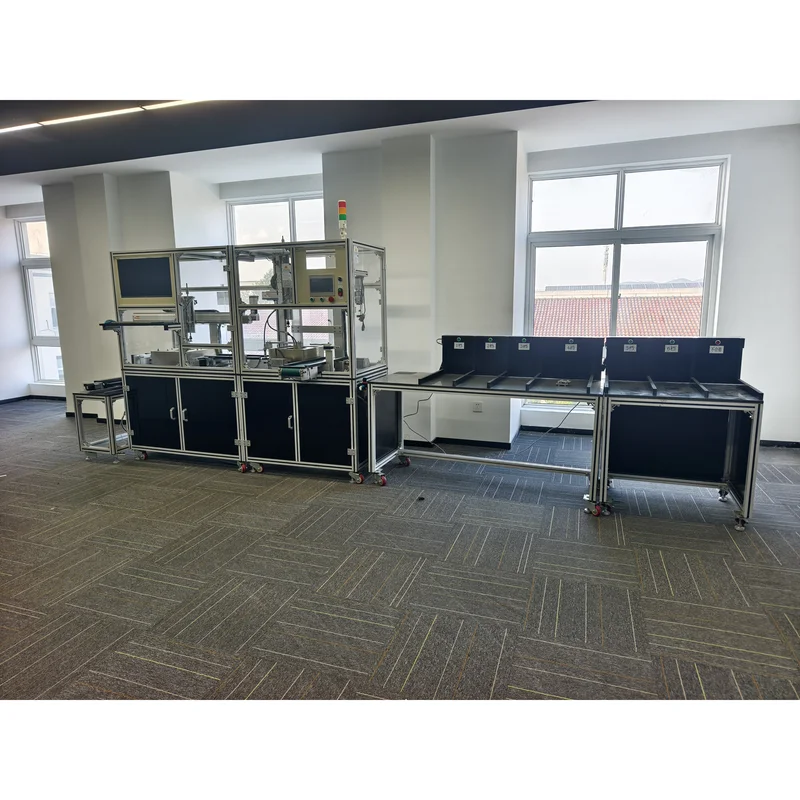
Magnetization Requirements for Permanent Magnet Motor Manufacturing
Permanent magnet motors have moved from a niche to the mainstream of industrial and consumer drives, and with that shift […]

Permanent magnet motors have moved from a niche to the mainstream of industrial and consumer drives, and with that shift […]
A white code on a black carton looks like a simple requirement and is not one. Standard solvent ink, which […]
There are four coding technologies in serious use on packaging and assembly lines, and they are not interchangeable. Continuous inkjet […]
A small character inkjet printer is a continuous inkjet (CIJ) coder that writes dates, batch numbers, lot codes and serial […]
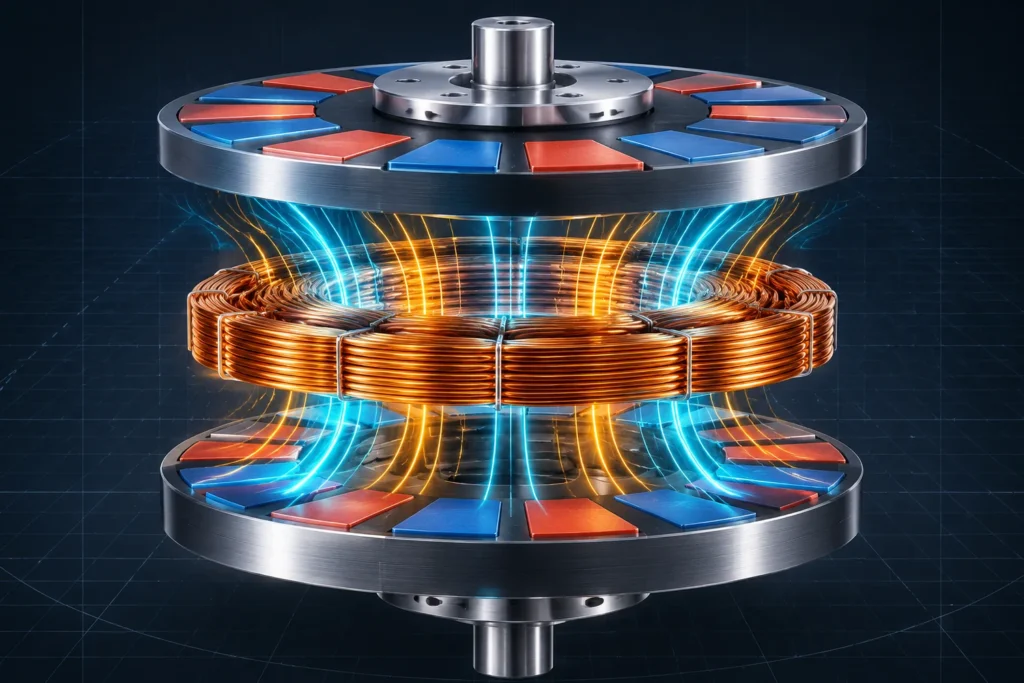
Yokeless dual-rotor or single-rotor double-stator: how air-gap tolerance, 2 to 4 mm sector magnets and bond-line strength decide which topology actually ships.
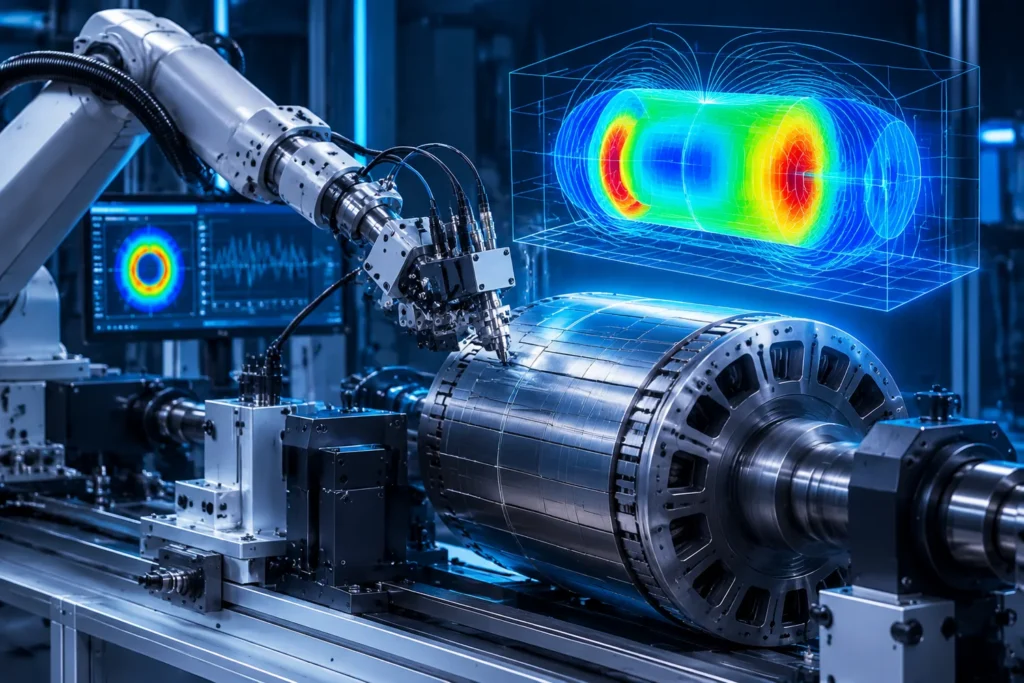
Single-probe scanning or Hall arrays: what each method measures, where the uncertainty comes from, and how pole asymmetry and flux THD predict NVH and torque ripple.
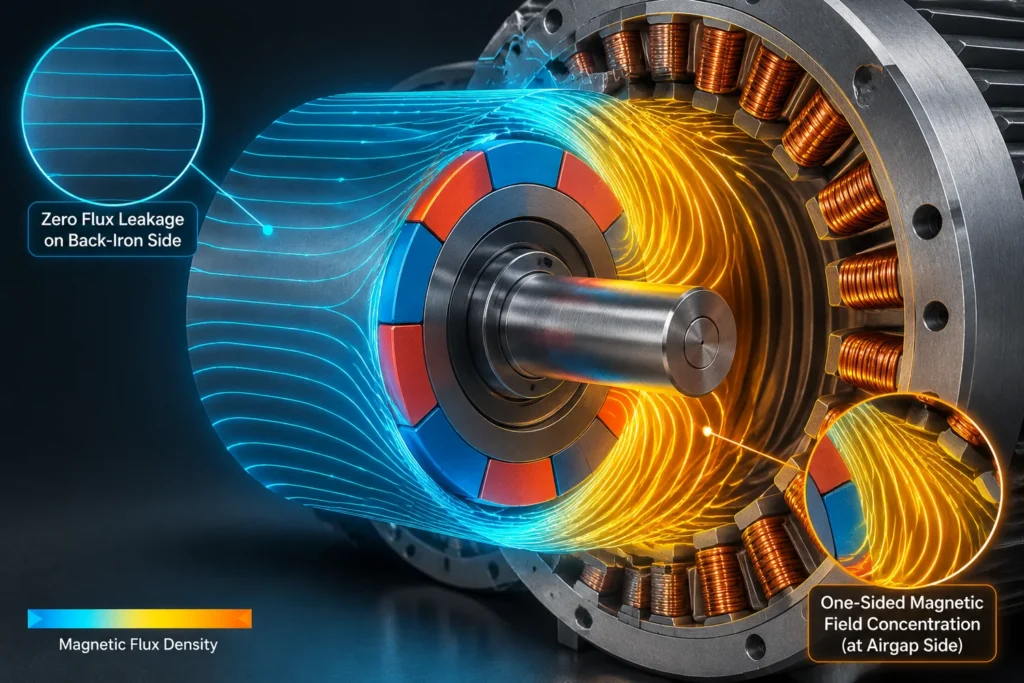
Why a Halbach rotor concentrates flux on one side, how segment count scales the fundamental, and what repulsive assembly forces do to bonding tolerance and retention.
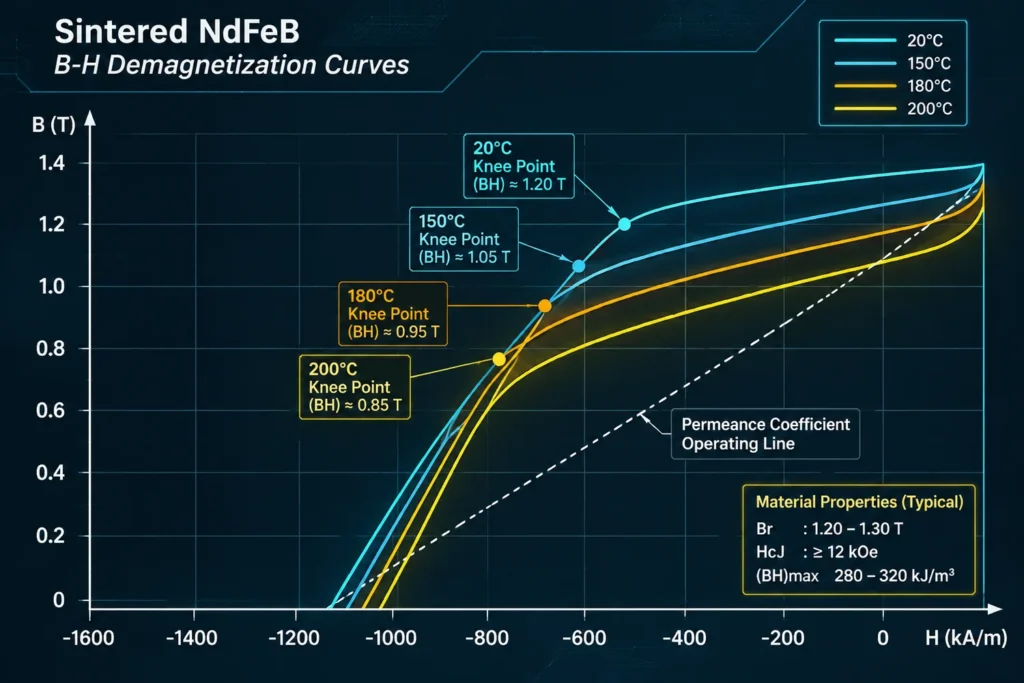
Why grade names do not answer the temperature question: Hcj, knee point, permeance coefficient and the demagnetization margin calculation for traction motors.
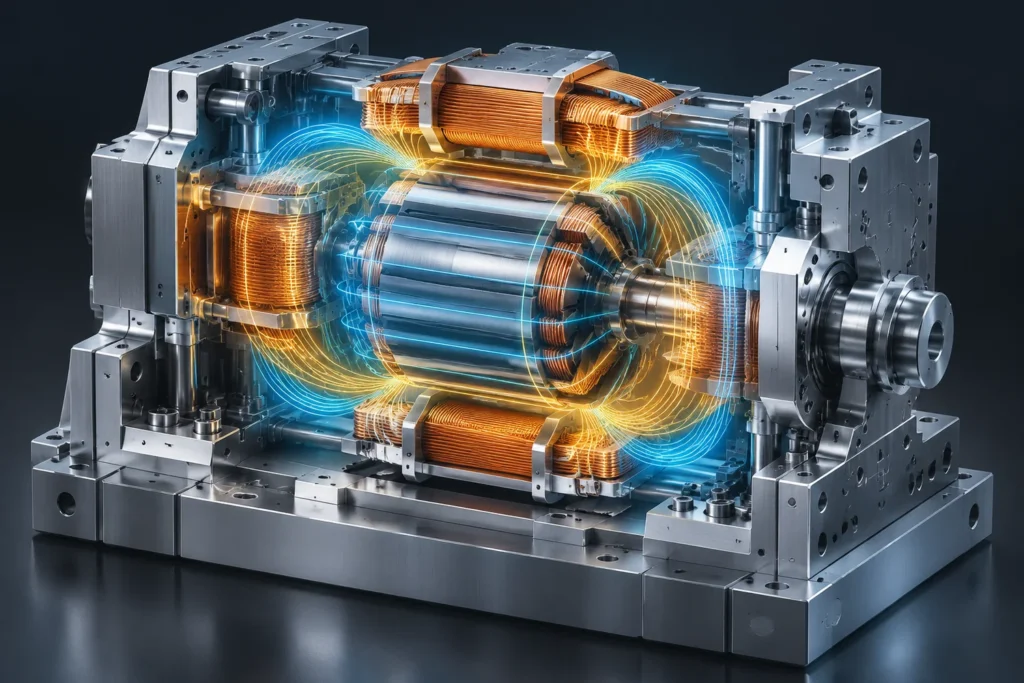
How post-assembly magnetization charges an EV rotor in one pulse, how magnetizing fixtures are designed against FEA, and how saturation is proven before shipment.
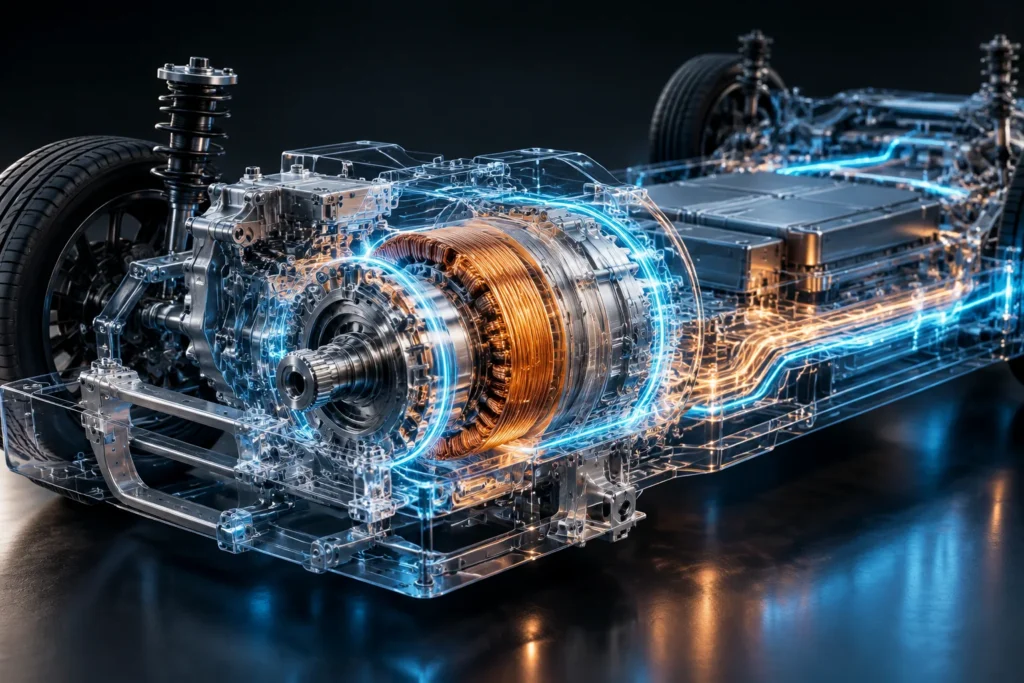
Brushed DC, BLDC, PMSM, induction, switched and synchronous reluctance, and axial flux: how the seven EV motor types differ, where each is used, and why.