Rotor Magnetizing and Testing Solutions
A rotor that is magnetized but never measured is a rotor whose quality is only assumed. JHHS MAG pairs the rotor magnetizing fixture with the flux and pole checks at the same station, so each rotor is produced and judged in a single cycle.
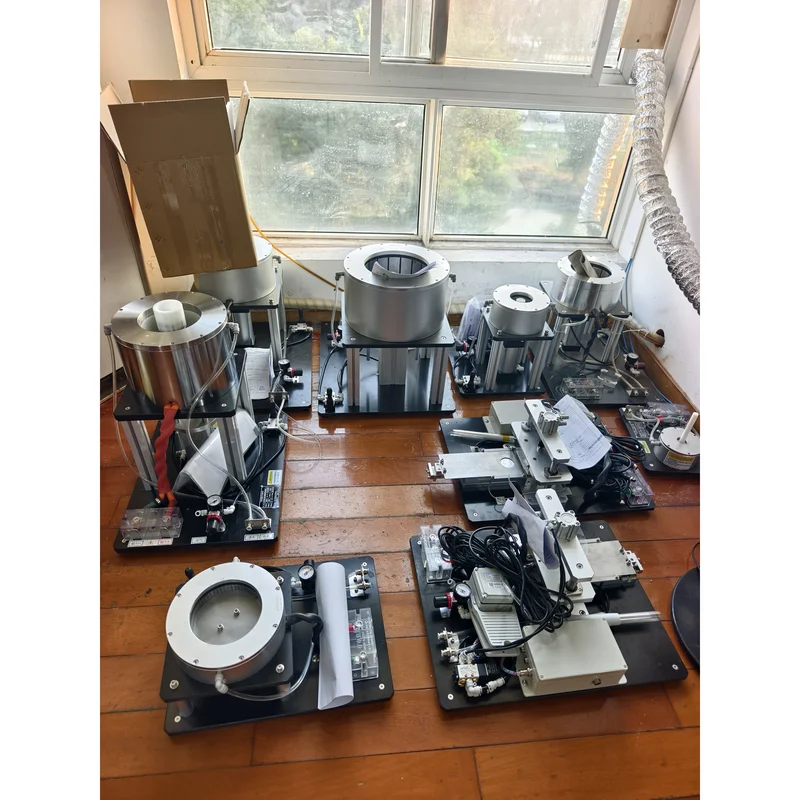
Where Magnetizing and Testing Meet in Rotor Manufacturing
In rotor production the magnetizing step and the testing step are often treated as two separate operations in two places, with a buffer of parts between them. Splitting them costs handling and, more importantly, it weakens the link between a rotor and its reading, because by the time a part is measured it may have been moved several times since it was magnetized. The station is normally described as a rotor magnetizing machine, and the same hardware can be run in reverse as a demagnetizing machine for rotors when a part has to be reworked.
Bringing the two together changes what the station can do. The rotor is loaded once, located once, magnetized, measured and then sent to the accepted or held side of the same station. The reading belongs to the part in front of the operator, and a rotor that does not match the reference is held back before it reaches assembly.
Load and locate
The rotor is placed in a known position so that the poles land in the right angular location.
Magnetize
The fixture applies the field that sets the pole pattern on the rotor.
Measure
Flux and, where needed, pole distribution are read without releasing the rotor.
Pass or hold
The rotor moves to the accepted side or is held back for investigation.
Rotor Features the Station Has to Handle
A rotor magnetizing and testing station is shaped by the rotor it serves, and mainly by how the rotor can be held while it is worked on.
Bare rotor bodies
Lamination stacks with the magnets already fitted but no shaft, which are easy to locate and magnetize.
Rotor assemblies with shafts
Parts where the shaft, bearings or end plates are already in place and shape how the rotor can be held.
Multipole rotors
Rotors that must show an even pole pattern as well as a total flux inside the accepted range.
Small rotors in trays
High volume rotors handled and positioned with simple tooling so the cycle stays short.
What the Magnetizing and Testing Result Has to Show
The magnetizing side of the station has to saturate the rotor so that every pole reaches its intended level and the pattern matches the design. The testing side then confirms two different things: the total flux, which is a single number for the rotor, and the distribution, which describes how that total is shared between the poles.
Keeping the two checks at one station makes them easier to compare. The flux reading is taken immediately after the discharge, so if a fixture or a setting drifts the change appears on the next rotor rather than after a buffer of parts. The distribution check is read while the rotor is still in the fixture, in the position it was magnetized in.
The station is organised so that the same reference is used for every rotor: the magnetizing setting, the measurement position and the accept limit are fixed, so the only thing that changes from part to part is the rotor itself.
- a — t
- o — n
- o — n
- o — l
Equipment Behind a Rotor Magnetizing and Testing Station
The station combines a magnetizing power supply with the measurement that judges the rotor, so both parts of the package are specified together.
- Automated magnetizing and testing systems — the combined station itself
- Multipole impulse magnetizers — the power behind the pole pattern
- Ultra high energy impulse magnetizers — larger rotors and deeper magnet assemblies
- Magnetic fluxmeters — the flux reading used to judge each rotor
- Products overview — the full magnetizing and testing range
Fixtures That Hold, Magnetize and Release
A rotor station needs a fixture that does more than apply a field. It has to locate the rotor to a definite angle, hold it against the discharge force and then release it cleanly so that the part can move to the accepted or held side. Where the rotor is measured in place, the fixture also has to leave the measurement path clear.
The pole pieces that shape the field are matched to the pole count of the rotor, and the coil and its cooling are matched to the energy the rotor needs. Because the same fixture magnetizes the rotor that is about to be measured, its repeatability is what makes the measurement meaningful.
Automation Around the Combined Station
Because magnetizing and testing share a station, the automation that feeds and removes the rotor drives both processes at once. The rotor is loaded automatically, positioned in the fixture, magnetized and measured within one cycle time, and then sorted according to its reading. The result can be recorded against the part so the reading stays with the rotor through the rest of the line.
For a customer planning a whole rotor line, the station is specified together with the equipment before and after it, so the cycle time of the magnetizing and testing step matches the rate of the line and the interfaces between the stations are agreed in advance.
Frequently Asked Questions
Questions from motor manufacturers about combining rotor magnetizing with the checks that judge each rotor.
Why combine rotor magnetizing and testing in one station?
A combined station removes a handling step and ties the reading to the rotor that produced it, so a part that does not match the reference is held back at the station rather than being found later in the assembly area.
What is measured on a rotor after magnetizing?
Two things are usually checked. The total flux of the rotor is compared against a fixed reference, and the pole distribution is examined so that an uneven pole pattern is found even when the total looks normal.
Can an existing rotor line be fitted with a combined station?
It can, provided the station is specified with the handling before and after it. The rotor is fed and removed automatically and the cycle time of the magnetizing and testing step is matched to the rate of the surrounding line.
Does the measurement have to use the same fixture as the magnetizing?
Reading the rotor while it is still positioned in the fixture keeps the measurement in the same reference frame as the magnetizing, which is what makes the results from one rotor comparable with the next.
What happens to a rotor that fails the check?
It is held back at the station and separated from the rotors that passed, so it can be re examined or reworked without reaching the rest of the line.
Discuss Your Rotor Testing Project with Our Engineers
Send us the rotor drawing and the checks you need on each part. Our engineering team will reply with a station proposal.
Ready to magnetize and test rotors in one cycle?
Tell us the rotor and the checks you need. We will suggest the station and the tooling that fit.
REQUEST A QUOTE
Get a quotation for Rotor Magnetizing and Testing Solutions
Tell us about your component, magnet material and production target. Our engineers review the requirement and reply with technical feasibility and a quotation.
- Reviewed by our own engineers, not a sales desk
- Send drawings, samples or a reference part
- No obligation — we quote only what fits your process
Prefer to talk it through? WhatsApp +86 188 6892 9496