Complete Range of Magnetizing Equipment
JHHS MAG designs and manufactures industrial magnetizing equipment — capacitor-discharge impulse magnetizers, magnetizing coils and fixtures, coil cooling systems, magnetic flux meters and automated magnetizing and testing systems. Every configuration is engineered around the component that has to be magnetized, and built at our factory in Ningbo, China.
Magnetizing Power Supplies
Every machine in this group works the same way: energy is stored in a capacitor bank and released as a short pulse into a magnetizing coil or fixture. The voltage class sets how much magnetizing work the power supply can deliver, and the coil and fixture set the pole pattern written into your component.
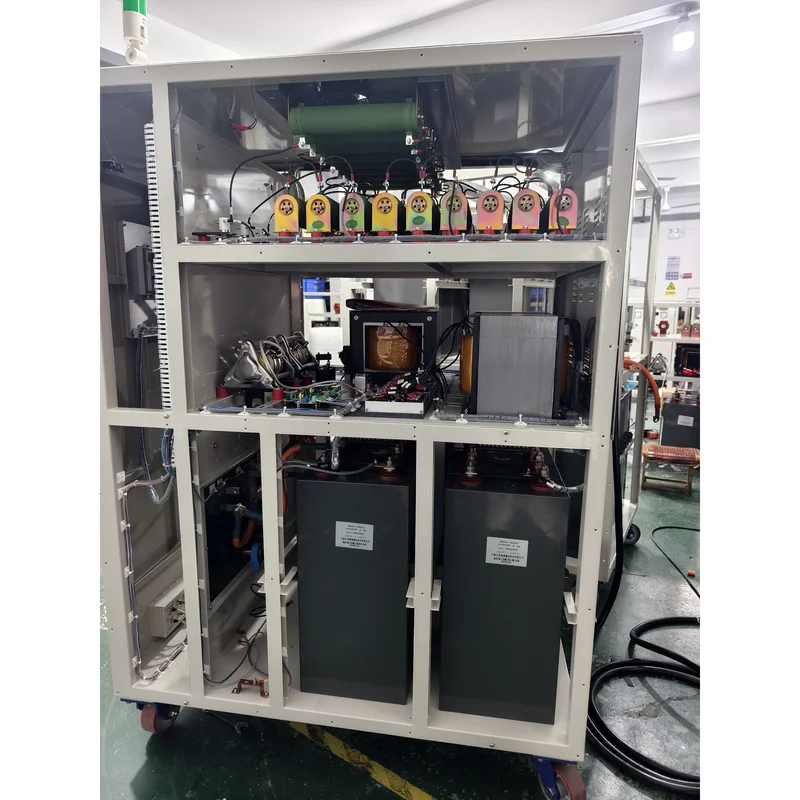
1200V Impulse Magnetizers
Capacitor-discharge machines that magnetize and demagnetize a part in a single pulse, with the pole pattern set by the fixture.
→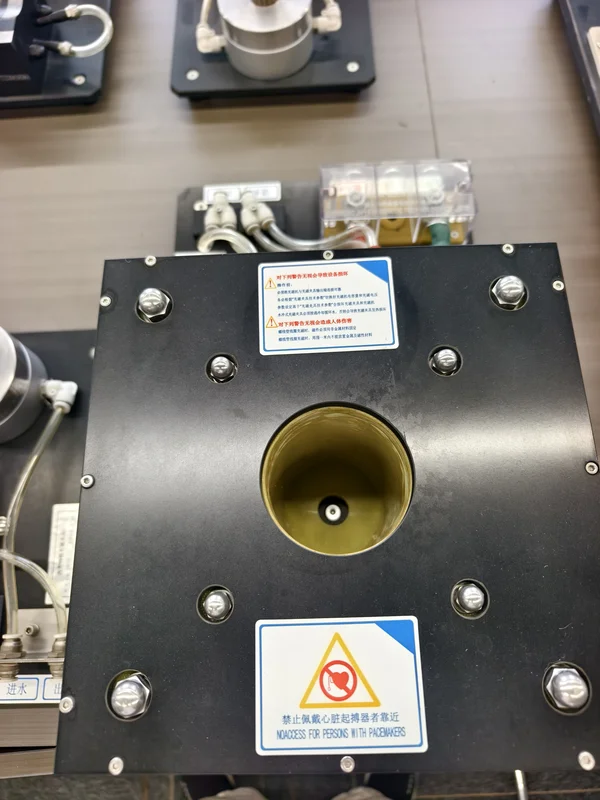
1500V / 2500V / 3000V Multipole Impulse Magnetizers
Magnetizes several poles in one discharge; the fixture, not the power supply, defines the flat or radial pole pattern.
→
3000V Medium-to-High Capacity Impulse Magnetizers
Specified by magnetizing capacity rather than pole pattern, for larger components and higher production duty.
→
3500V / 4000V / 6000V Ultra-High-Energy Impulse Magnetizers
The top of the range, built on one common architecture across three voltage levels for work that needs more energy per discharge.
→Individual model pages in this group — the four pages above each cover a voltage class; these three pages cover a single model inside one of those levels:
- 3000V Multipole Impulse Magnetizer — the top level of the multipole series, built and supplied as a set with its coil and fixture.
- 3000V High-Capacity Impulse Magnetizer — the capacity-specified machine in the 3000V class, where coil cooling is part of the specification.
- 6000V Ultra-High-Energy Impulse Magnetizer — the highest voltage level of the ultra-high-energy series.
Magnetizing Coils and Fixtures
A magnetizing power supply is only half of a magnetizing system: the coil shapes and delivers the discharge, and the fixture decides where the poles land. Coils and fixtures are designed and wound around your component rather than selected from a catalogue, and the four sub-pages below cover the fixture and coil types built in this group.
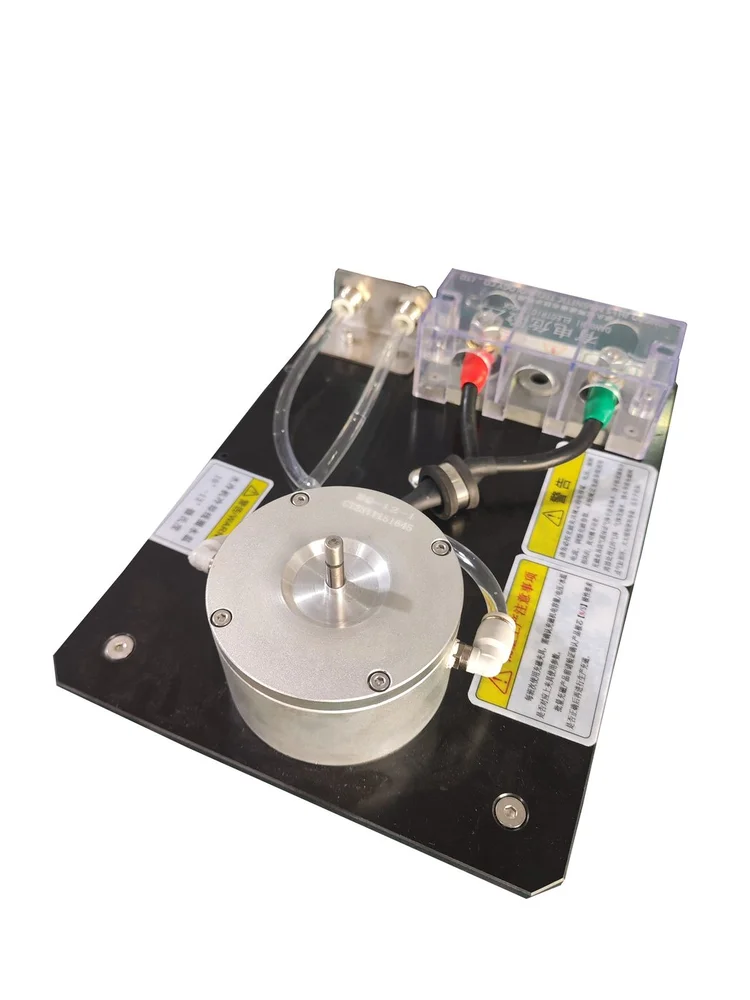
Custom Magnetizing Coils and Fixtures
Air-core, water-cooled and pole-piece coils, with flat, radial and multipole fixtures built around your component.
→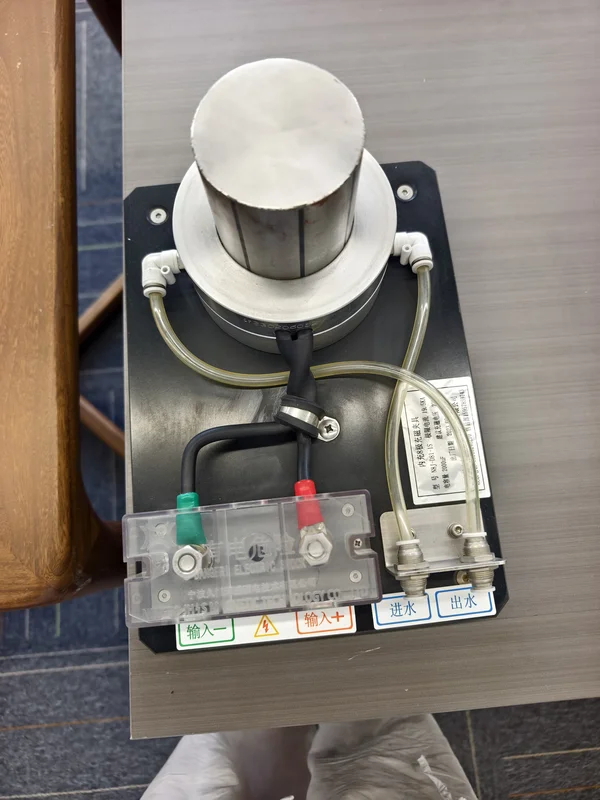
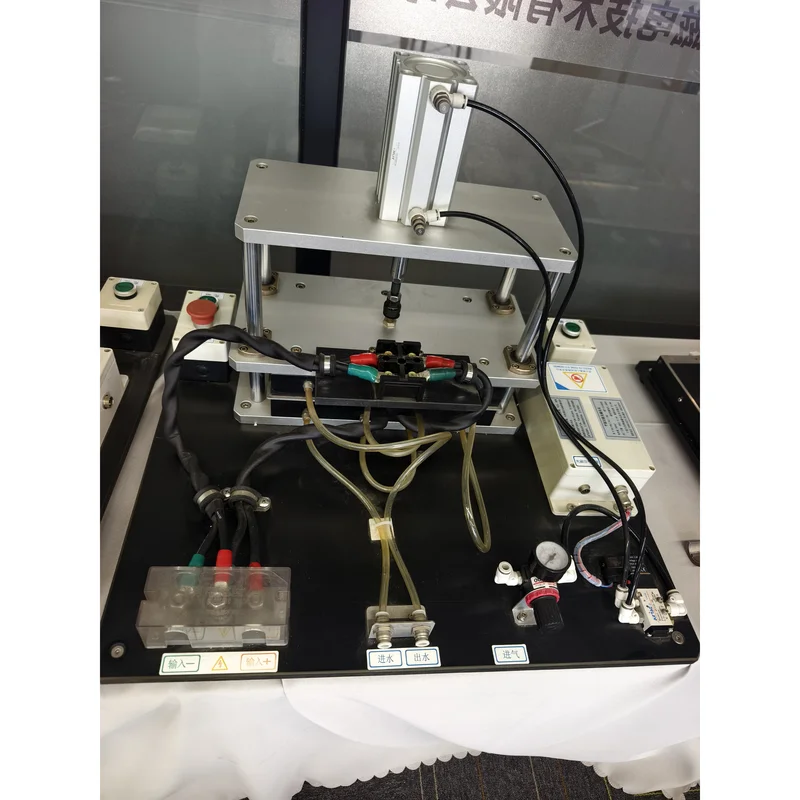
Radial Magnetizing Fixtures
Applies the pulse through a winding that surrounds the part, so the poles are written across its wall instead of along its axis.
→
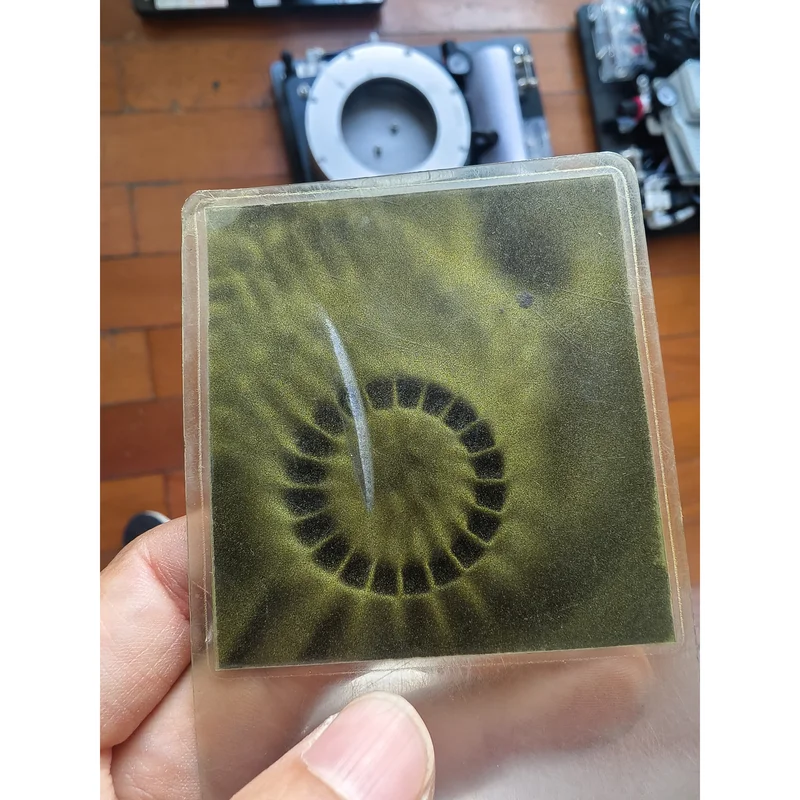
Axial Magnetizing Fixtures
Drives the pulse along the axis of the part, so the poles emerge on its flat faces and the flux runs through its thickness.
→
Multipole Magnetizing Fixtures
Writes a defined sequence of alternating poles into the component in a single discharge, instead of a simple two-pole arrangement.
→
Water-Cooled Solenoid Coils
A solenoid magnetizing winding with its own cooling circuit, built for stations that run continuously.
→Coil Cooling
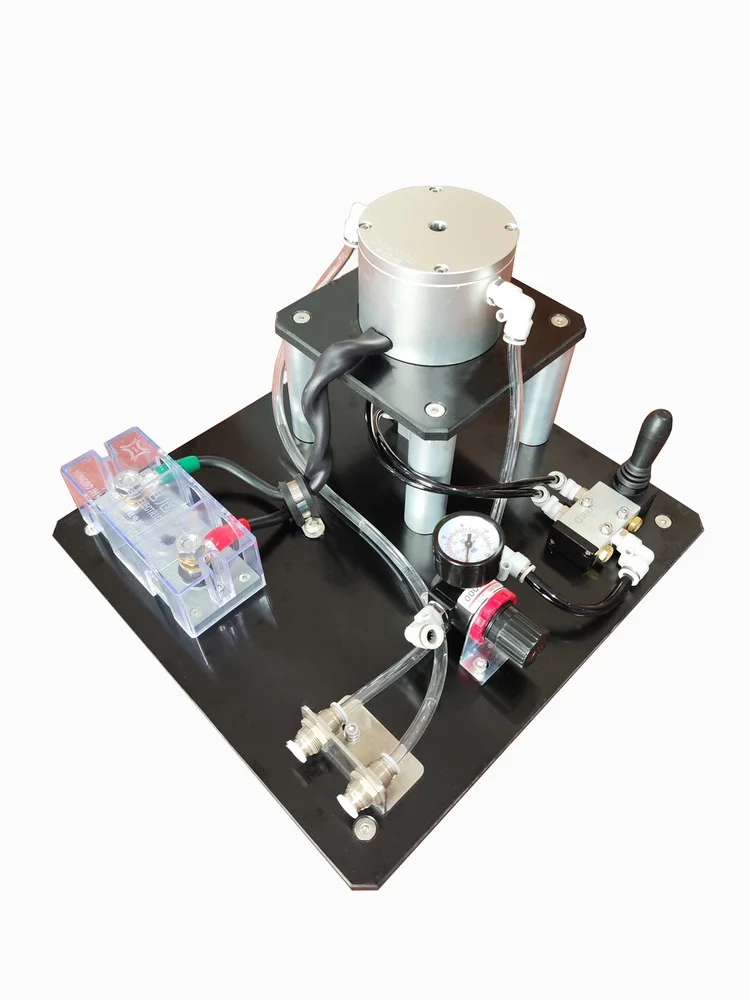
Every capacitor-discharge pulse puts heat into the magnetizing coil. In a single-shot job that is not a problem; on a line running the same cycle again and again it is, so coil cooling is specified as part of the system rather than added afterwards.
Automation
Where magnetizing is a station on a production line, the magnetizing step and the testing step are combined so a part is verified as it is made, and the operations around them are linked into one line.
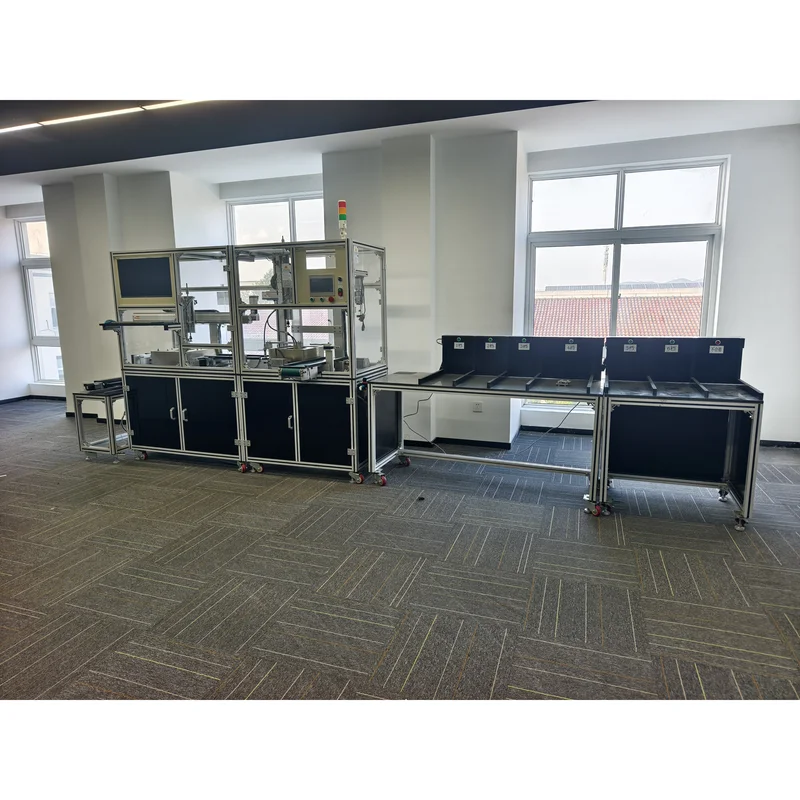
Automated Magnetizing and Magnetic Testing Systems
In-line magnetizing and flux testing for motor and magnetic component production, with handling and PLC control that sequences the cycle.
→
Automated Magnetic Material Processing Equipment
Laser marking, dispensing, loading and unloading, and sorting linked with magnetizing and testing in one production line.
→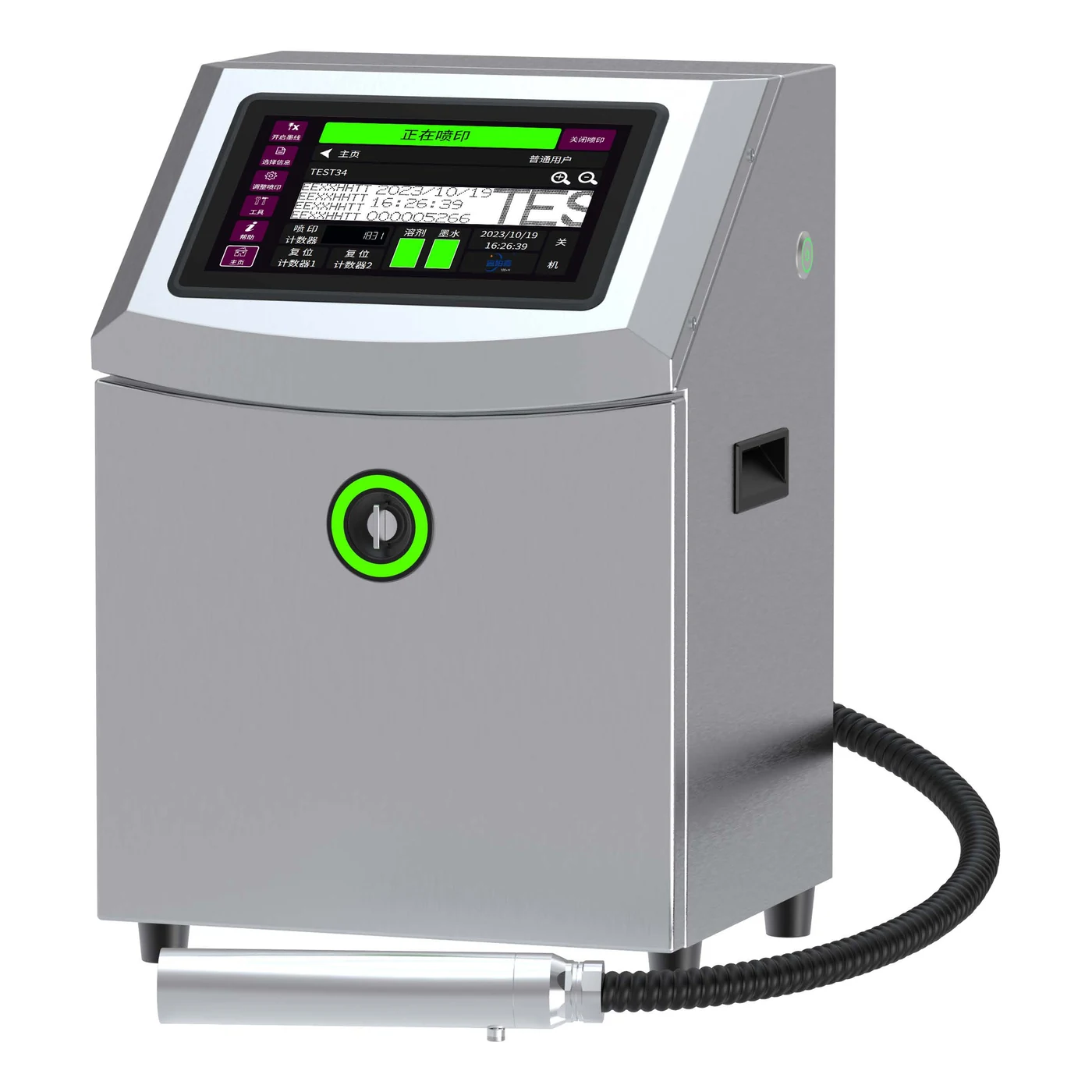
Coding and Marking Machines
Continuous inkjet printers for date, batch and traceability coding.
→Magnetic Measurement
Magnetizing and measurement are two halves of one process: the magnetizer delivers the pulse, and these instruments report what the component actually received — total flux, flux density, pole distribution and field images.
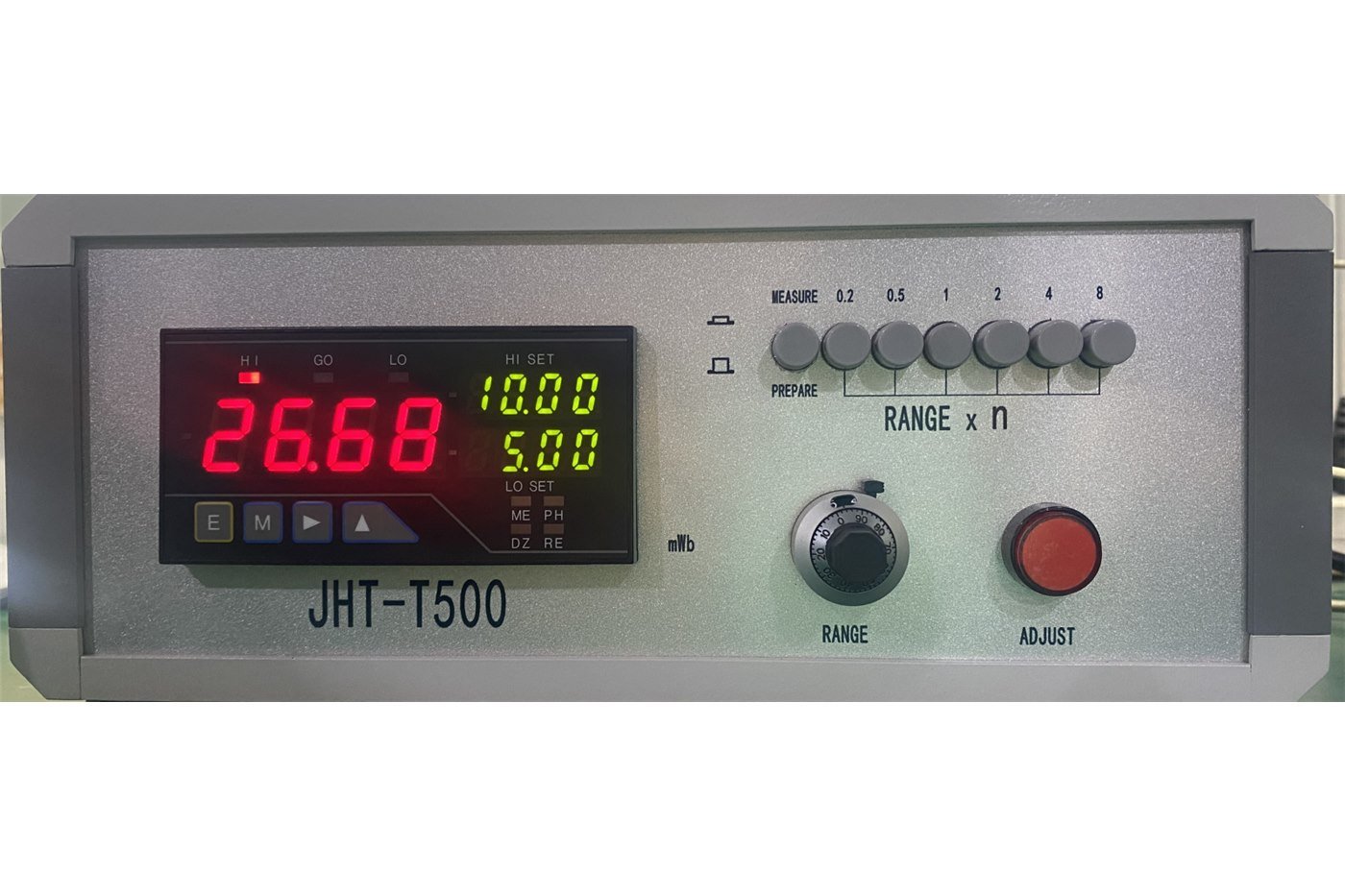
Magnetic Fluxmeters
The JH-T500 digital fluxmeter measures the flux a magnetized component carries, used together with a test coil.
→Tesla Meter
Measures magnetic flux density at the surface, in a gap or wherever the probe can reach, for field strength and polarity checks.
→
Magnetic Field Distribution Tester
Maps how the field is arranged across the surface of a magnet, so the pole layout left by magnetizing can be judged over the whole face.
→Pulse Magnetic Field Tester
Measures the field while a magnetizing pulse is applied, so the peak and the shape of the field can be observed and compared.
→Test Coils
Measuring windings used with a fluxmeter to sample the total flux of a part, with a geometry matched to the component.
→
Magnetic Field Camera
Images the field across the whole face of a magnet in one view, for judging multipole magnets in development and production.
→Orientation, Demagnetizing and Pre-Magnetizing
Alongside the impulse magnetizers, these units cover orientation during forming, demagnetizing after processing, and preparing parts before assembly. The first three entries are the orientation power supply family — the supply itself and its two pulse and DC variants.
Orientation Power Supplies
Creates the controlled field that aligns anisotropic magnetic powder while a magnet is being formed, so the easy axis follows the target direction.
→
Pulse Orientation Power Supply
Delivers a short high-intensity field pulse timed to the closing of the press or the mould.
→
DC Orientation Power Supply
Holds a steady field across the whole forming cycle, so the powder stays aligned until the part has set.
→Demagnetizers
Applies a decaying or alternating field so residual magnetism in parts and tooling falls back to a workable level.
→Bulk and Pre-Magnetizers
Brings loose parts, or a component not yet finally magnetized, into a known magnetic state before the main magnetizing or assembly step.
→Dedicated Screwdriver Magnetizers
Builds the magnetizing field around the bit or the shaft of a screwdriver, so the tip holds fasteners.
→How to Choose a Magnetizing System
Choosing magnetizing equipment is a three-question decision. Once we have the answers, the class and the fixture follow from the component rather than from the other way round.
- Component and magnetizing work — the size of the part, the magnetic volume that has to be magnetized, and how difficult that material is to magnetize.
- Pole pattern — how many poles the component needs, and whether they run across a flat face or around a ring or cylinder.
- Production duty — how the part is loaded and unloaded, and how many magnetizing cycles the line runs.
If the pole layout drives the specification, start from the multipole impulse magnetizers. If the size of the component or the production rate drives it, start from the medium-to-high capacity impulse magnetizers. If the magnetic material is hard to magnetize, step up to the ultra-high-energy series.
Send us the component drawing, the pole pattern and the target magnetization. Our engineers will confirm the class and propose the coil and fixture design with a quotation.
Questions about magnetizer selection
Impulse magnetizer or multipole magnetizer — which am I buying?
The impulse magnetizer is the power supply; multipole describes the field pattern the fixture writes. Most multipole systems run on an impulse supply. When comparing quotations, compare fixture field maps and pulse waveforms, not joule ratings.
How do I know which joule rating I need?
You do not, from the rating alone. Required energy follows from the fixture impedance and the peak current your part needs. Two machines with the same joule figure will deliver different fields into different fixtures, which is why we ask for the part before quoting a model.
Is a water chiller always required?
Only when duty cycle and pulse energy put the fixture or capacitor bank outside its thermal margin. Continuous multi-shift operation on a large fixture usually needs one; short runs on small parts usually do not.
What is the lead time?
It depends on whether the fixture is standard or engineered for your part, and on the automation scope. We confirm the schedule together with the technical proposal rather than quoting a generic number.
Need a Custom Configuration?
Every application is different. Our engineering team works with you to design the right magnetizing equipment and fixtures for your components.
No MOQ — every magnetizing solution is built to order around your component.
What to Send Us With Your Inquiry
To recommend the right magnetizing equipment, our engineers assess the component and the production requirement before proposing a configuration. The more of the following you can share, the faster that assessment can be completed:
- Photos or drawings of the workpiece
- Workpiece material and dimensions
- Required number of magnetic poles and their arrangement
- Information on your existing magnetizing process or equipment
- Production volume and cycle-time requirements
- Flux or magnetic performance testing requirements
- Automation level and production-line interface requirements
- Target market and project timeline
Please note that a magnetizing solution has to be technically evaluated against your component, pole pattern and production requirements. The equipment configuration and the quotation can only be confirmed after that engineering evaluation — they are not fixed automatically the moment an inquiry is submitted.
Ready to discuss your magnetizing requirement?
Send us your component drawing, pole pattern and target magnetization. Our engineering team will reply with a configuration proposal and a quotation.