Industrial Water Chillers for Magnetizing Systems
Every capacitor-discharge pulse puts heat into the magnetizing coil. In a single-shot job that is not a problem; on a production line running the same cycle again and again, it is. A magnetizing chiller removes that heat, so the coil stays at a stable working temperature and the magnetizing result stays repeatable from the first part to the last. JHHS MAG supplies industrial water chillers as part of a complete magnetizing system, matched to the coil and the duty of the line.
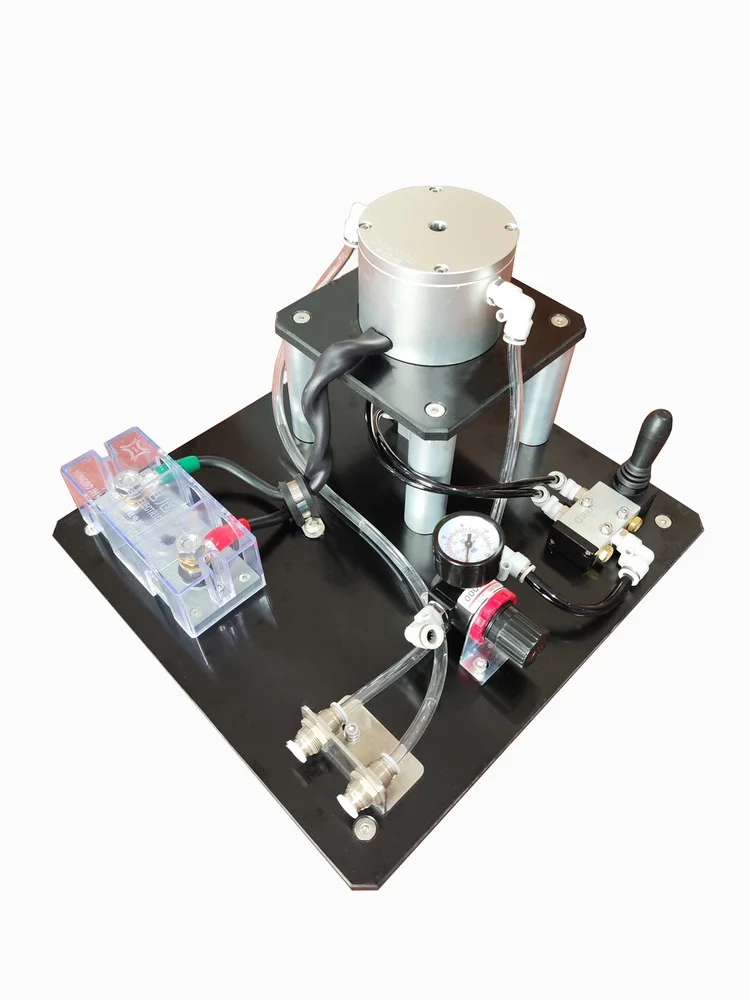
Why Magnetizing Coils Need Cooling
A magnetizing coil carries a short, high-energy pulse every cycle, and part of that energy ends up as heat in the coil and the fixture around it. If the heat is not removed, coil temperature climbs through the shift. Two things follow: the coil’s working life shortens, and the magnetizing result drifts because the coil is no longer operating at the temperature it was set up for.
Cooling is therefore not an accessory — it is the part of the system that keeps magnetizing consistent when the machine is not running single pieces.
Key Capabilities
- Industrial water chillers supplied as part of a complete magnetizing system, matched to the coil and the duty of the line
- Cooling circuit, coil design and production duty agreed as one specification instead of two
- Built for water-cooled magnetizing coils and fixtures running continuously
- Controlled and monitored alongside the magnetizer, as one production station
- Selected together with our engineering team against your component and production duty
Typical Applications
- Continuous production — magnetizing cycles repeated through the shift rather than single pieces
- Motor and magnetic component production running water-cooled magnetizing coils
- Multipole, medium-to-high capacity and ultra-high-energy magnetizing setups where the coil runs for long periods
- Lines where the magnetizing result has to stay repeatable from the first part of a run to the last
Industrial Water Chiller for Magnetizing Systems
An industrial water chiller for magnetizing systems is built into the magnetizing setup rather than bolted on afterwards. Three things matter in the specification:
- The coil and fixture it will cool, and how the cooling circuit runs through them
- The duty of the line — how many magnetizing cycles per hour, and for how long
- How the chiller is controlled and monitored alongside the magnetizer
JHHS MAG supplies the chiller together with the coils it cools, so the cooling circuit, the coil design and the duty are agreed as one specification.
Coil Cooling in Continuous Production
In continuous production, cooling is what allows the magnetizing step to keep pace with the rest of the line. A magnetizing chiller is normally specified together with:
- The magnetizing coil and fixture it serves
- The duty cycle the line will run
- The measurement you will use to confirm the result, such as a magnetic flux meter
Where the magnetizing machine and the chiller are supplied as one system, this is agreed in a single configuration step instead of two.
Matching a Chiller to Your Magnetizer
To select a magnetizing chiller we need:
- The magnetizer it will serve, and the coils and fixtures in use
- How the coil is cooled — circuit layout and connections
- The production duty: cycles per shift and hours per shift
- Where the chiller will sit relative to the machine
Send these details and we will propose a cooling configuration with the magnetizing equipment. Water-cooled magnetizing coils and multipole fixtures are supplied to match.
Related Equipment
An industrial water chiller is specified together with the equipment it serves, so the components around it are agreed at the same time:
- Custom magnetizing coils and fixtures — the coils and fixtures the chiller is matched to.
- Multipole impulse magnetizers — machines running multipole duty where the coil heats up.
- Ultra-high-energy impulse magnetizers — machines carrying the heaviest magnetizing work per discharge.
- Magnetic flux meters — confirming the magnetizing result once the coil temperature is held stable.
- Water-cooled solenoid coils — the magnetizing windings whose cooling circuit the chiller serves.
Specifications
Cooling capacity and control details depend on the coil, the fixture and the duty of the line.
Specifications vary by configuration — request the datasheet.
Related Product Categories
The coils and machines a magnetizing chiller is normally specified with.
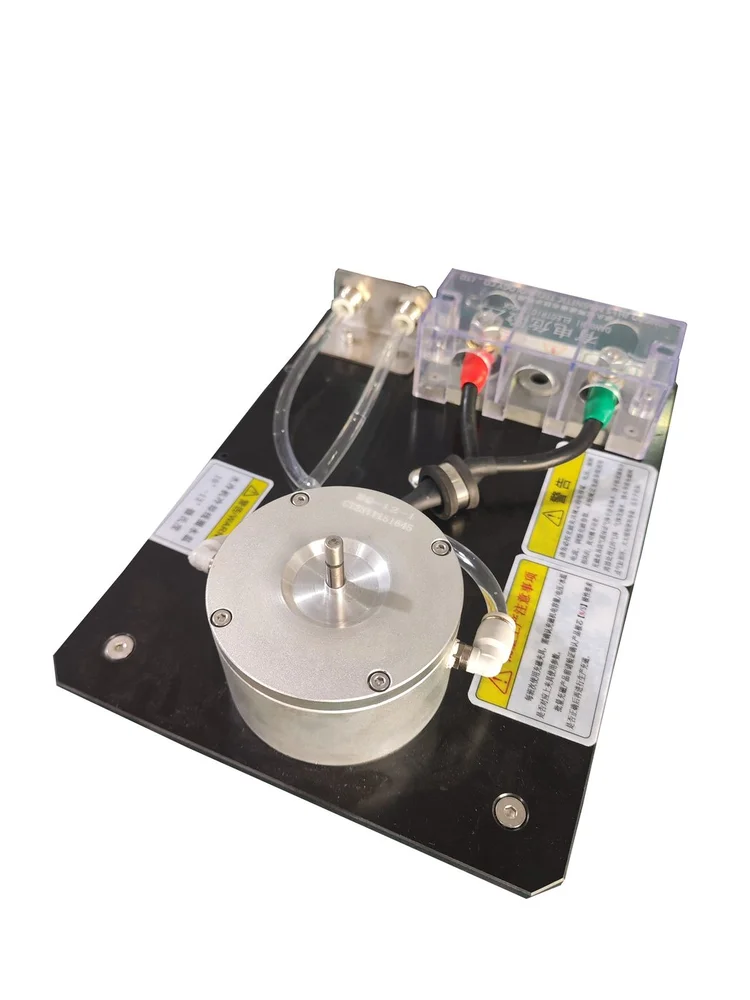
Custom Magnetizing Coils and Fixtures
Coils and fixtures wound around your part, cooled for continuous duty.
→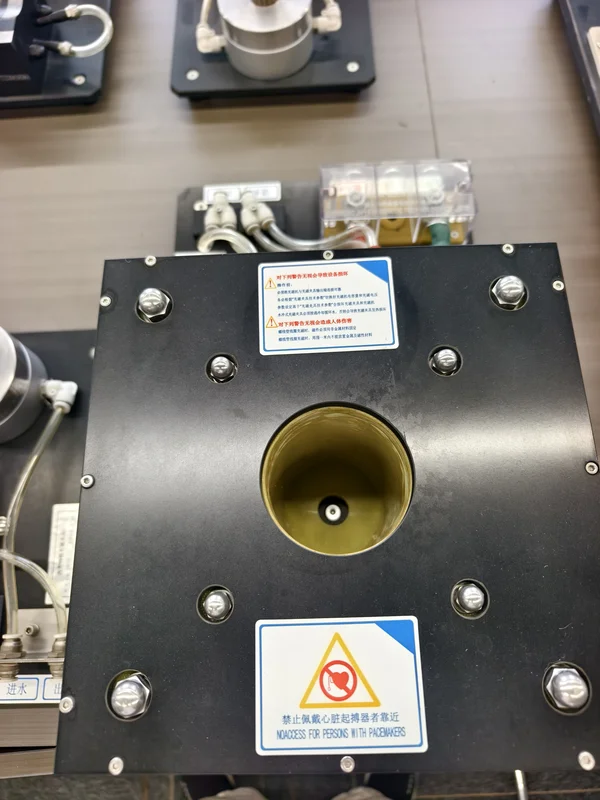
1500V / 2500V / 3000V Multipole Impulse Magnetizers
Multipole magnetization of flat and radial pole patterns in one discharge.
→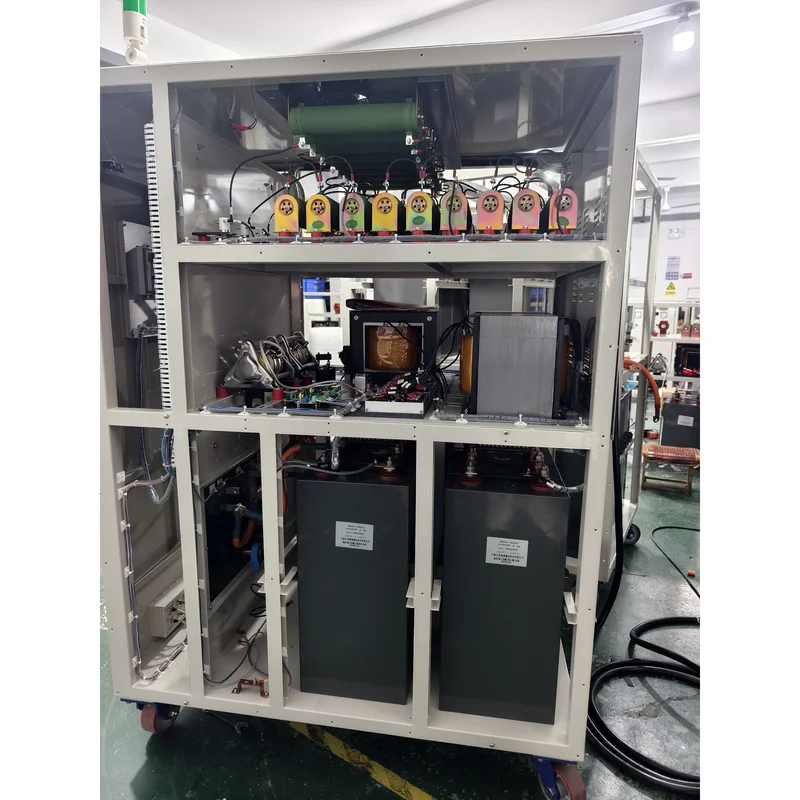
3500V / 4000V / 6000V Ultra-High-Energy Impulse Magnetizers
For magnetizing work that needs more energy per discharge.
→Request a Cooling Configuration
Tell us the magnetizer, the coil and the duty. We will propose a cooling configuration and a quotation.
Ready to discuss your magnetizing requirement?
Send us your component drawing, pole pattern and target magnetization. Our engineering team will reply with a configuration proposal and a quotation.
REQUEST A QUOTE
Get a quotation for Industrial Water Chillers for Magnetizing Systems
Tell us about your component, magnet material and production target. Our engineers review the requirement and reply with technical feasibility and a quotation.
- Reviewed by our own engineers, not a sales desk
- Send drawings, samples or a reference part
- No obligation — we quote only what fits your process
Prefer to talk it through? WhatsApp +86 188 6892 9496
Frequently asked questions
Why does magnetizing equipment need cooling?
Coils and fixtures heat with every discharge. At high duty the temperature drift moves the field, so cooling is what keeps the pulse repeatable.
Air or water cooling?
Air suits light duty and short runs. Water is used where the cycle is continuous or the coil is large.
How is the capacity sized?
From heat per discharge times cycle rate, plus margin for the ambient temperature the plant actually runs at.
Can one chiller serve several stations?
Yes, with a manifold and flow interlocks. Size it to the total heat load rather than to one machine.